Understanding DTF Printing Technology
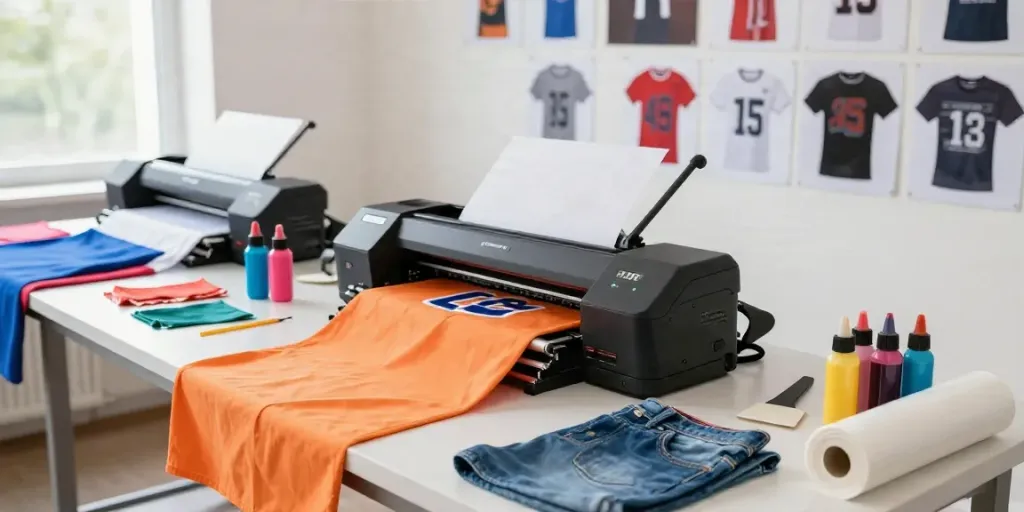
Direct-to-Film (DTF) printing is revolutionizing the way businesses approach custom fabric printing. This innovative technology utilizes special DTF inks and a PET film to produce high-quality transfers that can be applied to a wide range of fabrics, including cotton, polyester, blends, and more. As the demand for personalized apparel grows, understanding DTF technology is essential for businesses looking to stay competitive. If you're in the market for a reliable DTF printer, exploring options like imprimante dtf france can provide you with comprehensive insights on the best devices available today.
What is DTF Printing?
DTF printing is a method that allows for the creation of vibrant and durable prints on various fabrics. Unlike traditional printing methods that require direct contact with the fabric, DTF printing transfers designs from a film onto the fabric using heat and pressure. This results in prints that are not only visually striking but also long-lasting, making DTF an attractive choice for custom T-shirt printing and other textile applications.
How DTF Differs from DTG Printing
While both DTF (Direct-to-Film) and DTG (Direct-to-Garment) printing share the goal of producing high-quality prints, their methods and applications differ significantly. DTG printing directly applies ink onto fabric, which can limit the types of materials used and may sometimes compromise the vibrancy of colors, especially on dark fabrics. In contrast, DTF printing supports a wider range of material types and offers enhanced color vibrancy. It also provides a flexibility in designs that DTG cannot easily achieve, particularly for complex multilayered images.
The Evolution of DTF Technology in 2026
The landscape of fabric printing has witnessed significant advancements in DTF technology over recent years. As we enter 2026, innovations in ink formulations and printing machinery have improved the overall efficiency and quality of DTF printing. Manufacturers are now producing printers that incorporate automated features, allowing for quicker setup times and reduced waste. Furthermore, new environmental considerations have led to the development of more eco-friendly inks and materials, making DTF printing a sustainable choice for businesses.
Key Advantages of Using DTF Printers
Versatility of DTF in Fabric Choices
One of the standout features of DTF printing is its versatility in fabric compatibility. This technique can print on a wide array of materials, including:
- Cotton
- Polyester
- Spandex
- Nylon
- Denim
- Canvas
This remarkable adaptability allows businesses to offer diverse product lines, catering to various customer preferences without being restricted by fabric types. This quality is particularly beneficial for start-ups and small businesses looking to explore different markets.
Quality of Prints Compared to Traditional Methods
DTF printing technology produces high-resolution prints that are vibrant and precise, often outshining traditional methods in terms of color saturation and detail. The prints generated through DTF are known for their durability, with the ability to withstand multiple washes without fading or cracking. This ensures that the final products maintain their quality over time, enhancing customer satisfaction and brand reputation.
Efficiency and Cost Effectiveness
With DTF printing, businesses can achieve greater efficiency in their production processes. The ability to print multiple designs in a single run reduces setup time and associated costs. Moreover, the lower ink consumption compared to DTG methods means businesses can save on material costs while producing high-quality prints. As such, DTF printing serves as a cost-effective solution for businesses aiming to maximize profit margins while maintaining product quality.
Choosing the Right DTF Printer for Your Business
Factors to Consider Before Purchasing
When selecting a DTF printer, several factors must be considered to ensure the best choice for your specific needs:
- Print Size Capability: Assess the size of the designs you'll be printing and select a printer that can accommodate that need.
- Printer Speed: Evaluate the printer's speed to determine how quickly it can produce designs, which is especially important for high-demand situations.
- Color Quality: Look for printers that offer a wide color gamut and consistent quality across different materials.
- Maintenance Requirements: Some printers require more upkeep than others. Consider how much downtime you can afford for maintenance.
- Cost: Establish a budget and explore options that offer the best balance between features and affordability.
Top DTF Printer Models in France
As of 2026, several DTF printer models stand out in the French market due to their reliability and performance:
- Procolored A4 DTF Printer: Ideal for beginners, offering ease of use and consistent results.
- Procolored A3 DTF Printer: Designed for small workshops, this model balances performance and color output.
- Epson i3200 DTF Printer: Known for its advanced features and high production capacity, perfect for larger businesses.
Comparative Analysis: DTF vs. Other Printing Technologies
A comparative analysis reveals the strengths of DTF printing over other techniques:
- Versatility: DTF's capability to print on a variety of materials surpasses that of DTG and screen printing.
- Color Vibrancy: The color quality remains unmatched with DTF, providing lively prints that stand out.
- Durability: DTF prints tend to last longer than those created using traditional screen printing techniques.
- Less Waste: DTF printing minimizes ink waste and offers a more efficient production approach.
Best Practices for Operating DTF Printers
Maintenance Tips for Longevity
To ensure optimal performance and longevity of your DTF printer, consider implementing the following maintenance tips:
- Regularly clean print heads to prevent clogs.
- Use quality inks and materials to maintain print quality.
- Keep the printer in a dust-free environment to minimize contamination.
- Perform routine checks on the printer settings and calibration.
Common Issues and Troubleshooting
Even the best printers may encounter issues. Common problems include ink smudging, misalignment, and poor color output. To troubleshoot:
- Check for clogs and perform a cleaning cycle.
- Ensure the film is properly aligned before printing.
- Adjust color settings based on the material being used.
How to Optimize Your Printing Workflow
Optimize your workflow by implementing an organized file management system, integrating software that helps streamline processes, and maintaining an inventory of supplies to ensure you're always prepared. Consider using print management systems to track orders and stock levels effectively.
Future Trends in DTF Printing
Emerging Technologies and Innovations
As the DTF printing industry continues to evolve, several emerging technologies are set to reshape the market. These include advancements in ink compositions aimed at improving environmental impact and biodegradable films that align with sustainability goals. Additionally, the rise of AI-driven automation in printing processes is expected to enhance efficiency further.
Market Predictions for DTF in 2026
Market predictions indicate a steady growth for DTF printing as more businesses recognize its potential. The versatility and quality of DTF make it an appealing option not just for custom apparel but also for promotional materials and home textiles. By 2026, the demand for DTF printers in France is expected to rise significantly as more entrepreneurs enter the market.
Impact of DTF on the Custom Apparel Industry
The impact of DTF printing on the custom apparel industry is profound. Its ability to deliver high-quality, affordable prints has democratized access to custom printing, allowing small businesses and startups to compete with larger enterprises. As sustainability becomes increasingly important, the DTF method's potential for eco-friendly practices enhances its appeal among conscious consumers.